


Spend time in a busy office, café, or shared environment, and you’ll notice how quickly small sounds start to add up. A conversation nearby, someone on a call, footsteps, background music. None of these is particularly disruptive on their own, but together they can make it harder to focus or even hold a simple conversation.
That’s where wall panels come in. They don’t remove activity from a space, and they’re not meant to. What they do is help manage how sound behaves, so it feels more controlled and less distracting over time.
Why Do Busy Spaces Feel Mentally Tiring
In environments with a lot of activity, sound doesn’t just come from one direction. It spreads across the room, reflects off walls, and overlaps with other sounds.
Hard surfaces like glass, concrete, and painted walls reflect sound easily. Instead of being absorbed, it bounces around, creating a constant layer of background activity.
This is what makes busy spaces feel mentally tiring. Your brain is trying to process multiple sound sources at once, even when you’re not actively paying attention to them.
Wall panels help reduce this effect by managing those reflections.
What Wall Panels Actually Do
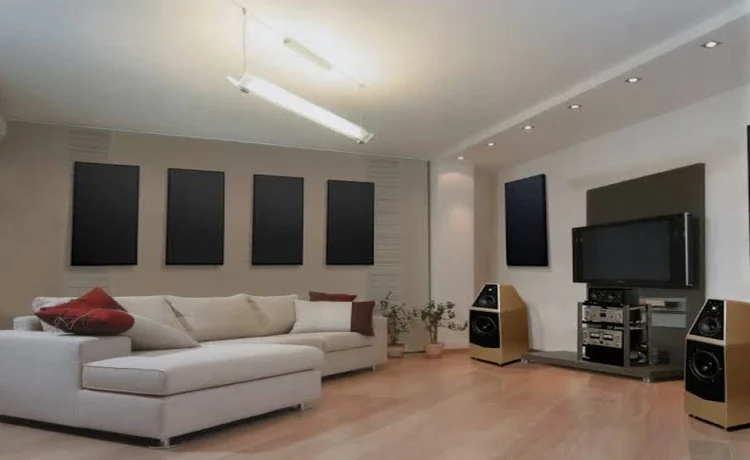
Wall panels are designed to absorb sound rather than reflect it. When sound hits a bare wall, it bounces back into the room. When it hits an acoustic panel, much of that energy is absorbed into the material.
This reduces the number of reflections in the space. The result is a more balanced sound environment where individual sounds are easier to distinguish.
It’s not about making the space silent. It’s about making it easier to process what you hear.
Reducing Overlapping Conversations
One of the biggest sources of distraction in busy spaces is overlapping conversations.
In open-plan offices, for example, multiple discussions can happen at the same time. Without any acoustic control, these conversations spread across the room and blend together.
Wall panels help contain this spread. By absorbing reflections, they reduce how far sound travels from its source.
This means conversations remain more localised, making it easier for people to focus on their own work or discussion without being affected by everything happening around them.
Improving Speech Clarity
Another important benefit is improved speech clarity.
When sound reflects off multiple surfaces, it can arrive at the listener slightly delayed. This doesn’t create a clear echo, but it can make speech feel less defined.
Wall panels reduce these reflections, allowing sound to reach the listener more directly.
This makes conversations easier to follow, whether it’s a quick discussion between colleagues or a longer meeting in a shared space.
Supporting Focus In Work Environments
In workplaces, distraction often comes from constant low-level noise rather than sudden loud sounds.
Wall panels help reduce that ongoing background layer, making it easier to concentrate for longer periods.
They’re particularly effective when placed near workstations, along shared walls, or in areas where conversations frequently happen.
Even a moderate improvement in acoustic control can make a noticeable difference in productivity over time.
Creating More Comfortable Social Spaces
In cafés, restaurants, and other social environments, the goal isn’t complete control. It’s comfort.
People want to enjoy conversations without having to compete with the overall sound of the space.
Wall panels help by keeping sound levels more even. Instead of noise building up as the space fills, it remains more manageable.
This makes the environment more enjoyable without changing its character.
Placement Matters More Than People Think
One of the key factors in how effective wall panels are is where they’re placed.
Panels work best at ear level, where most sound reflections occur during conversations. They’re also useful on large, flat surfaces that tend to reflect sound strongly.
Spreading panels across different areas is usually more effective than placing them all in one spot. This helps manage reflections throughout the space rather than focusing on a single zone.
Combining Panels With The Overall Design
Modern wall panels aren’t just functional. They’re designed to fit into the space visually.
They come in different colours, shapes, and finishes, allowing them to blend in or stand out depending on the design approach.
This makes it easier to include acoustic treatment without compromising the look of the space.
In many cases, panels become part of the design rather than something added later.
A Subtle Change With A Lasting Effect
What makes wall panels particularly effective is how subtle the change feels.
People don’t usually walk into a space and immediately notice the panels. What they notice is how the space feels easier to be in.
Conversations are clearer. Background activity feels more controlled. There’s less mental effort required to focus.
These improvements might seem small at first, but they have a lasting impact on comfort.
Final Thoughts
Busy spaces don’t have to feel overwhelming. With the right acoustic treatment, they can remain lively while still being comfortable to spend time in.
Wall panels offer a simple way to reduce distraction by managing how sound reflects and spreads. They don’t remove activity, but they help organise it in a way that feels more natural.
Over time, that makes a real difference. Whether it’s a workplace, a social setting, or any shared environment, better acoustic balance leads to a better overall experience.