
| The Bottom Line on Traceability Medical device manufacturers must enforce 100% material traceability across their entire supply chain, from raw ingot certification to final packaging. Partnering with precision machining suppliers who maintain strict lot tracking, digital material passports, and ISO 13485 compliance mitigates recall risks, simplifies regulatory audits, and guarantees patient safety during high-stakes medical procedures. |
The Vital Role of Material Traceability in Medical Machining
Reliability in medical device machining is non-negotiable. Because components are subjected to constant biological stress, verifying the chemical and physical integrity of every screw, plate, and housing unit is essential to patient safety. Material traceability serves as the critical validation layer in this process, ensuring an unbroken chain of custody, from the initial raw material ingot to the finished device in the operating theatre.
The Paper Trail to Patient Safety: Why Raw Material Origin Matters
In the healthcare sector, a single contaminated alloy batch or unverified metal grade can cause catastrophic implant failures. Material traceability acts as a permanent digital passport for every raw bar stock that enters the factory floor.
- Preventing catastrophic material mix-ups – Strict lot tracking stops workers from accidentally machining implantable bone screws out of commercial-grade stainless steel instead of implant-grade titanium.
- Verifying biocompatibility standards – Mill Test Certificates (MTCs) prove that raw metals meet international biocompatibility criteria, protecting patients from toxic tissue reactions.
- Streamlining regulatory compliance – Full material records satisfy strict FDA and ISO 13485 audit requirements, ensuring seamless global market approval for specialised devices.
- Leveraging expertise in medical device machining – Working with specialists in medical device machining ensures that raw materials undergo rigorous chemical verification before any cutting tool touches the metal.
This comprehensive paper trail does more than just meet regulatory standards; it fosters a culture of uncompromising quality. By establishing a rigorous chain of custody from the very first procurement step, manufacturers provide the foundational proof needed to assure medical professionals and patients alike that every component is built for absolute reliability and safety.
Digital Footprints on the Factory Floor: Tracking Metal Through Production
- Enforce end-to-end traceability across cutting, turning, and finishing via advanced tracking software.
- Apply unique laser-etched QR codes or serial numbers to individual components for precise identification.
- Use ERP integration to log production data, including operator IDs, machine parameters, and batch details.
- Enable rapid isolation of non-conforming batches to minimise waste and prevent quality issues.
- Leverage automated shop-floor tracking systems, standard in leading precision engineering firms in Singapore, to guarantee full accountability.
Mitigating Risk: How Traceability Protects Brands and Saves Millions
Product recalls represent every medical company’s worst nightmare. Unclear material records turn minor quality hiccups into massive financial and legal disasters.
- Enabling surgical recall precision – When a material defect surfaces, complete traceability allows manufacturers to recall only the specific affected lot rather than pulling thousands of safe units off hospital shelves.
- Protecting against counterfeit raw stocks – Rigorous verification protocols block sub-standard, counterfeit, or grey-market metals from ever entering the medical supply chain.
- Building clinical trust – Providing full material documentation instils confidence in surgeons, hospitals, and regulatory boards worldwide.
- Elevating standards in medical device machining – Applying stringent documentation protocols throughout medical device machining elevates overall product reliability while shielding manufacturers from liability claims.
Ultimately, a robust traceability program transforms compliance from a burdensome administrative task into a proactive business advantage. By embedding quality oversight directly into the production lifecycle, manufacturers can foster a culture of accountability that not only mitigates operational risk but also establishes a foundation for long-term growth and industry leadership.
Selecting the Right Partner: What to Look for in a Machining Specialist
Not all machine shops possess the infrastructure, rigorous quality management systems, and specialised documentation protocols required to navigate complex medical supply chains. The stakes in medical device manufacturing are exceptionally high, where even minor oversights can lead to significant regulatory hurdles or patient safety concerns. Consequently, selecting the right manufacturing partner is not merely a logistical decision; it is a critical strategic imperative that directly protects your product integrity, ensures compliance with stringent international standards, and safeguards your brand’s reputation against the risks associated with non-conforming materials.
- Certified quality management systems – Ensure your manufacturing partner holds active ISO 13485 certification specifically tailored for medical hardware production.
- Secure data management – Check whether your supplier maintains encrypted, tamper-proof digital archives of all material test reports and inspection records.
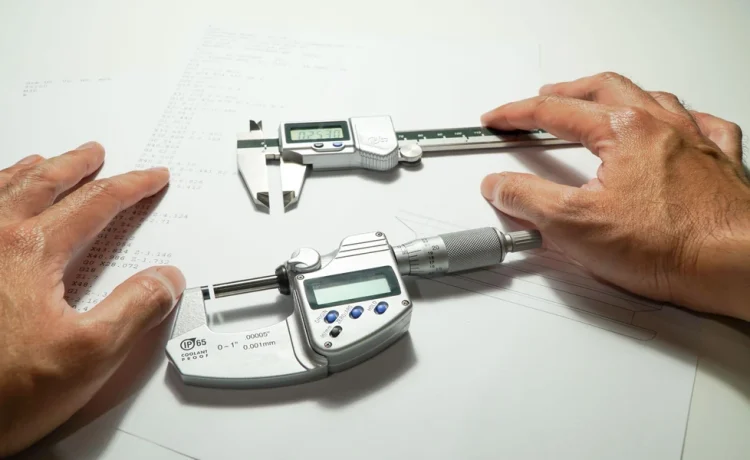
- Advanced metrology equipment – Choose facilities equipped with automated Coordinate Measuring Machines (CMM) that log dimensional data directly into digital traveller files.
- Collaborating with precision engineering companies – Partnering with established precision engineering companies in Singapore gives you direct access to world-class cleanroom facilities, advanced multi-axis machining, and robust quality governance.
Where Quality Meets Compliance
In the world of medical hardware, precision cuts and tight tolerances mean nothing if you cannot verify the purity and origin of your raw materials. Material traceability provides the crucial link between engineering excellence and patient safety. By partnering with experienced manufacturers who enforce transparent tracking from raw ingot to finished component, you safeguard your brand reputation, streamline compliance, and deliver life-saving quality with absolute confidence.
Frequently Asked Questions
What is a Mill Test Certificate (MTC) in medical manufacturing?
A Mill Test Certificate is a certified document provided by the raw material producer that confirms the chemical composition, physical properties, and heat-treatment history of a specific metal batch.
How long must manufacturers archive material traceability records for medical devices?
Regulatory bodies like the FDA typically require manufacturers to retain complete material and production records for the expected lifetime of the device, which often ranges from 5 to 15 years or longer for implantables.
Does material traceability increase overall production costs?
While implementing tracking systems requires initial software and procedural investment, it dramatically reduces long-term operational costs by eliminating scrap, preventing massive product recalls, and avoiding regulatory fines.
Contact Disk Precision Group – Singapore today to discover how our certified medical machining capabilities elevate your product quality.