

At a glance:
- Safety planning reduces risks and protects attendees, staff, and organisational reputation.
- Identify health, security, environmental, and logistical risks early in the event planning stage.
- Choose venues that meet safety standards and have strong emergency response procedures.
- Clear communication ensures a fast safety response and a smooth event experience.
Safety at corporate events is not only a standard to follow but also a key part of delivering a successful attendee experience. Safety planning protects people, reduces risks, and helps your organisation maintain credibility.
Venue security, emergency protocols, digital safeguards, and health measures all come under the event’s safety requirements and should be a part of your event management planning. Each risk requires planning, coordination, and clear communication to keep the event safe and efficient.
This article provides practical ways to maintain safety at every stage of an event. It discusses risk assessment, venue selection, safety protocol development, and attendee communication to ensure a successful corporate event.
Identify the Potential Risks in Corporate Events
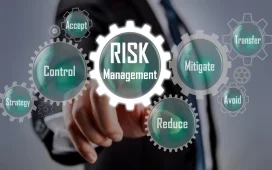
Every successful corporate event safety plan starts by identifying potential risks. Event planners should group risks into four main categories: health hazards, security breaches, environmental hazards, and logistical challenges.
Health-related risks may involve medical emergencies or contagious illnesses. Security risks can include unauthorised access, theft, or threats to high-profile attendees. Environmental challenges include weather disruptions, power failures, or venue safety hazards, and logistical risks include transport delays, equipment breakdowns, or poor crowd management.
Identifying risks early in event planning allows organisers to allocate resources appropriately. Mapping these vulnerabilities against critical operations allows safety teams to take proactive steps and maintain smooth coordination throughout the event.
Conduct a Thorough Risk Assessment
Create a structured risk assessment process that helps identify, evaluate, and prioritise risks. Event organisers should assess the likelihood of each risk and the severity of its potential impact. Using a formal risk management framework, organisers can then develop detailed contingency plans.
Event organisers should work with vendors, venue managers, insurance providers, and emergency services to confirm readiness and response capabilities. Regularly reviewing procedures and past incident data also helps refine safety planning and ensures that everyone understands their role properly.
Select a Corporate Event Venue that Meets Safety Standards
A safe corporate event venue is important to reduce the risks of accidents and security issues. Check emergency exits, lighting, accessibility, and capacity to avoid overcrowding or unsafe situations. Moreover, confirm that safety equipment, such as fire alarms, extinguishers, and emergency lighting, is available.
Beyond facilities, corporate event risk management includes checking the venue’s internal safety practices. Request information on their security staff, maintenance procedures, and crowd-control systems. For outdoor events, plan for bad weather and backup power to prevent disruptions and keep attendees safe.
Establish Clear Safety Protocols and Policies
Effective event safety protocols lets the team know how they should respond during emergencies. Important elements include clearly marked medical assistance areas, established evacuation routes, and good crowd management strategies. Each plan should identify communication lines between event organisers, security staff, and safety officers to ensure quick coordination.
Staff preparedness is equally important. Before the event, conduct briefings and practice exercises to ensure every team member understands their role. These briefings help put planning into action, maintaining consistent standards and ensuring the safety of corporate attendees.
Communicate Safety Measures Effectively
Clear communication turns safety planning into action. Attendees should receive safety information in advance through pre-event emails, registration confirmations, and mobile app updates. At the event, visible signs and announcements also help corporate attendees understand evacuation routes and emergency contacts.
Factual messages from event organisers build confidence and reduce panic during unexpected situations. When attendees, event staff, and security personnel receive the same information, responses are faster and more coordinated.
Prioritising safety helps every corporate event run smoothly and creates a positive experience for everyone involved. Early risk management and clear operating procedures help organisers stay confident and focus on the core event sessions.
Robust safety planning not only protects guests and staff but also strengthens the company’s reputation by reflecting care, professionalism, and attention to detail. These qualities help every event feel well-organised and secure.
For expert guidance in planning safe, seamless corporate events, partner with a trusted event management company that ensures every safety measure is properly planned, implemented, and monitored.