

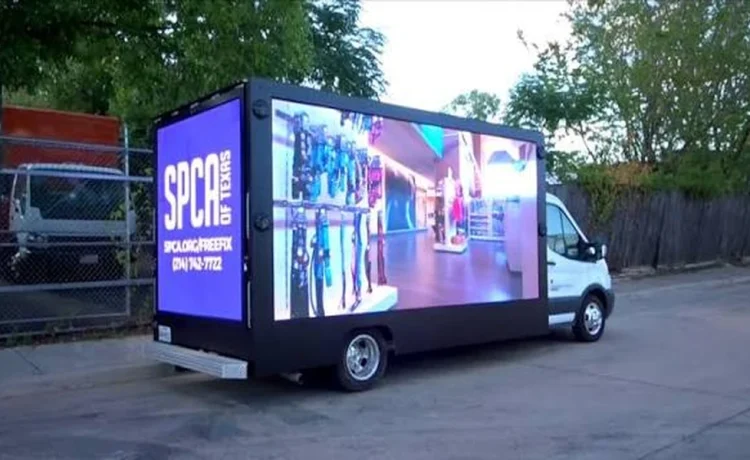
Real estate advertising requires display presence at the specific locations where prospective buyers and tenants are actively evaluating properties, rather than at fixed board positions that serve general passing traffic across unrelated audience segments. Ledtruckmedia.com delivers a mobile LED advertising format where the display unit travels through the residential streets, commercial precincts, and development corridors where the real estate target audience is present during active property evaluation periods. What makes mobile LED advertising work for real estate is the ability to position the display within the exact zones where prospective buyers are making location decisions, rather than approximating that audience from a fixed placement near the intended area.
Development zone display positioning
Mobile LED advertising works for real estate because the display unit positions directly within the streets and corridors surrounding active development zones where prospective buyers visit, evaluate the surrounding infrastructure, and make location assessments during the property consideration period.
- Residential street routing – New residential development campaigns route the display unit through the specific streets surrounding the development site, where prospective buyers drive and walk through the area during property evaluation visits, placing the campaign message directly within the corridor the target audience is actively moving through, rather than at a nearby fixed position that the same audience may not pass through during their evaluation visit.
- Infrastructure corridor routing – Prospective buyers evaluating a new development assess surrounding transport links, retail access, and service infrastructure during the consideration period. Mobile LED display routing covers the specific transit corridors, retail precincts, and service zone streets that buyers travel through when assessing development location value, positioning the campaign message within the evaluation journey rather than at a fixed point removed from the corridors the audience actually uses during that process.
Open house and inspection periods
Real estate campaigns tied to open house schedules and property inspection periods require display presence during the specific hours and days when prospective buyers are actively visiting properties in a defined area, rather than general awareness placements running across the full campaign period, regardless of when buyer activity actually peaks.
Mobile LED advertising activates around open house and inspection windows by routing the display unit through residential streets and development access corridors during the hours immediately before and during scheduled inspection periods. The unit covers the approach routes that prospective buyers travel when moving toward the inspection address, positioning the campaign message within the active buyer journey at the point when property consideration is highest, rather than during unrelated periods when the target audience is not engaged in active property evaluation activity.
New project launch coverage
- Pre-launch routing – New real estate project campaigns use mobile LED display activation during the pre-launch period to build awareness among prospective buyers in the residential and commercial districts surrounding the development site before the formal sales launch date, routing the unit through the specific streets where the target buyer demographic lives and moves through during daily activity periods.
- Launch period routing – During the active sales launch window, the display unit covers the development zone streets, inspection approach corridors, and surrounding residential precincts across the full launch period activation schedule, maintaining sustained display presence within the confirmed buyer movement corridors throughout the days when prospective buyer activity around the development site is at its highest concentration.
Mobile LED advertising works for real estate because it positions the display within development zone streets, open house approach corridors, and launch period buyer movement routes rather than at fixed positions that approximate the same areas from a distance. Each activation decision places the campaign message directly within the specific corridors where the real estate target audience is present during active property evaluation and purchase consideration periods.