

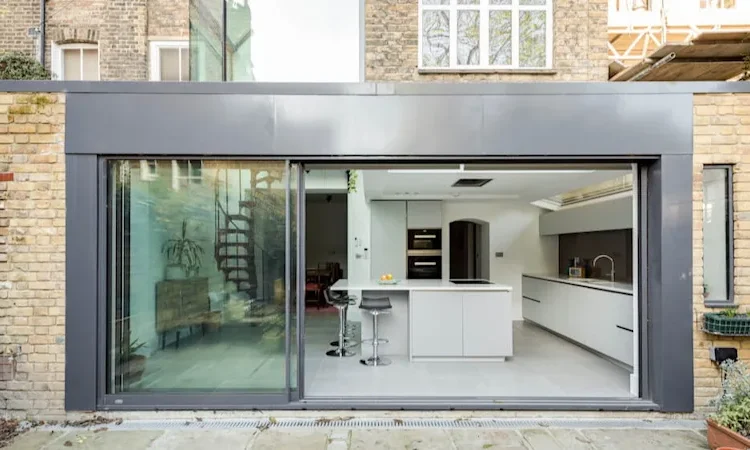
With the UK property market remaining competitive and the cost of moving home often prohibitively high, more homeowners are exploring ways to add space and value to their existing properties. Home extensions have become a popular solution, offering both enhanced living conditions and the possibility of a substantial return on investment (ROI). However, not all extensions are created equal. Understanding the various types of extensions available and their impact on property value is crucial for homeowners looking to make smart, future-proof investments.
Home Extension Types
Homeowners can choose from a variety of home extension types from a local building company, each offering unique benefits and varying returns on investment. Below is an overview of the most common types:
Single-Storey Rear Extension
This is one of the most popular extensions, which home extension builders typically added to the rear of the property to increase the size of the kitchen, dining area, or create an open-plan living space. Rear extensions are relatively straightforward, often falling within permitted development rights, meaning planning permission may not be required. The cost varies based on size and finish, but a typical single-storey rear extension in the UK can range from £30,000 to £60,000.
Double-Storey Extension
A double-storey extension adds extra space on both the ground and first floors, often creating a new bedroom, bathroom, or expanding existing rooms. While more complex and costly (commonly £50,000 to £100,000), this type of extension usually provides a higher ROI due to the significant increase in living space and bedroom count.
Side Return Extension
Common in Victorian and Edwardian terraced or semi-detached homes, a side return extension utilises the narrow alleyway at the side of the house. It can transform cramped kitchens into spacious, light-filled rooms. Costs generally range from £20,000 to £45,000 and can dramatically improve the flow and feel of period properties.
Loft Conversion
Loft conversions are a cost-effective way to add extra bedrooms or a home office without sacrificing garden space. Prices start around £30,000 for a basic dormer conversion but can rise to £60,000 or more for larger or bespoke designs. Lofts are especially valuable in cities like London, where space is at a premium.
Conservatory or Orangery
Adding a conservatory or orangery creates a bright, versatile living space that connects the home to the garden. Conservatories are generally less expensive (£15,000 to £30,000) but may offer lower ROI unless they are properly insulated and integrated with the main house. Orangeries, being more solid and substantial, can cost upwards of £30,000 but often add more value.
Garage Conversion
Converting a garage into habitable space is usually one of the cheapest extension options, with costs ranging from £10,000 to £25,000. This can provide an additional bedroom, office, or playroom, boosting both functionality and value.
Each type of extension offers different advantages, costs, and potential value increases. The best choice will depend on your property type, available space, budget, and long-term plans.
Return on Investment: What to Expect
The potential ROI from a home extension depends on multiple factors: the type and quality of the extension, the property’s location, and the current demand in the local housing market. On average, well-designed and professionally executed extensions can add between 10% and 25% to your home’s value. Maximising Your Investment
- Quality Matters: Poorly constructed or badly designed extensions can detract from your property’s value. Always use reputable contractors and architects.
- Planning Permission and Regulations: Ensure the extension complies with all local planning regulations and building standards. Retrospective approval can be costly and risky.
- Design Consistency: Extensions that blend seamlessly with the existing property are more likely to yield a high ROI. Mismatched styles or cheap finishes may put off potential buyers.
- Purpose and Flexibility: Multi-functional spaces appeal to a broader range of buyers. For example, a loft conversion with an en-suite can double as a guest room or home office.
- Location Considerations: The ROI can vary widely based on location. In high-demand areas, even modest extensions can add significant value, while in lower-value areas, the outlay may not be fully recovered.
Conclusion: A Savvy Way
Investing in a home extension can be a savvy way to enhance your living space and boost your property’s value. Whether you opt for a simple garage conversion or a full double-storey extension, it’s essential to carefully consider your budget, local property values, and your long-term needs. By planning thoroughly and focusing on quality, you can enjoy both immediate lifestyle benefits and a robust return on investment when the time comes to sell.