
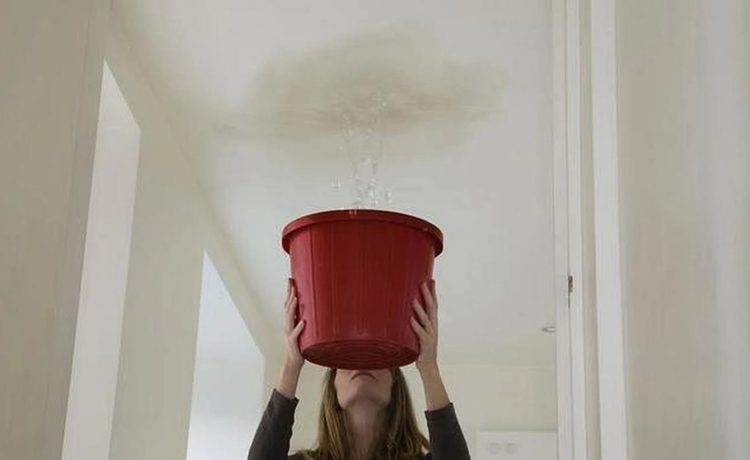
Ceiling leakage repair that works requires getting the diagnosis right before any materials are applied. In Singapore homes, ceiling leaks return more often than they should – not because the materials fail, but because the entry point was never properly located. A repair that addresses only the visible stain leaves the source of the water untouched. The ceiling will look restored for a few months, but the next cycle of heavy rain will show the same stain in the same place.
The Diagnosis Problem
Water does not travel in straight lines inside a building. A stain appearing at the centre of a living room ceiling may have entered through a crack at the edge of the roof slab several metres away. A stain at the wall-ceiling junction may be fed by a failed sealant at an external window frame in the unit above, not by anything in the ceiling itself.
Effective ceiling leakage repair begins with tracing the path the water has taken. This involves inspecting not just the underside of the ceiling where the stain appears, but also the floor, bathroom, and external surfaces of the unit directly above. Where the stain boundary is irregular or the damage extends in an unexpected direction, water testing – applying controlled water to suspected entry points and observing where it appears – provides the clearest picture.
Skipping this diagnostic phase and proceeding directly to cosmetic repair is the reason ceiling leaks are one of the most commonly repeated home repair jobs in Singapore.
Materials and Methods That Hold
Once the entry point is confirmed, the choice of repair method follows from what created the failure. Hairline cracks in roof slabs respond well to polyurethane injection grouting, which fills the crack under pressure and creates a flexible, waterproof seal that moves with the concrete. Failed waterproof membranes in bathrooms above require either injection treatment beneath the tiles or full membrane replacement, depending on the extent of degradation.
For the ceiling surface itself, cutting out the damaged plaster and allowing the exposed concrete to dry completely before replastering is the standard that produces lasting results. Replastering over wet concrete traps moisture and produces a repair that blisters and fails within a season. A ceiling water damage repair that skips the drying phase is a repair that will need to be done again.
Lee Kuan Yew, reflecting on Singapore’s approach to maintaining its built environment, said: “We have to maintain our standards. The moment you drop your guard and allow things to slide, you lose.” For ceiling leak repairs, maintaining standards means insisting on the correct process even when a faster cosmetic fix is available.
What Homeowners Can Do
When a ceiling stain first appears, the most useful thing a homeowner can do is document it. Photograph the stain before and after rain events. Note whether the stain grows or stays the same size. Check whether there is a bathroom, kitchen, or roof terrace directly above the stained area. This information gives a professional inspector a meaningful starting point and reduces the time needed to locate the source.
Avoid painting over the stain without first investigating the source. Paint covers the visible evidence while the underlying moisture continues to accumulate. By the time the stain reappears through the new paint, the damage to the concrete and plaster is typically more extensive than it was at the first sign.
Flux Solutions’ Guarantee
Flux Solutions takes a source-first approach to all ceiling leak repairs. Every job begins with a site inspection to locate the water entry point. Repair recommendations are made only after that inspection is complete. Work is backed by a written warranty covering both the waterproofing treatment at the source and the ceiling restoration below.
For Singapore homeowners who have had ceiling repairs done before that did not hold, the difference with a properly diagnosed and fully treated ceiling leakage repair becomes clear when the next monsoon season passes without a stain reappearing.